

This worksheet motivates clients to avoid relapsing, which in turn will motivate them to maintain sobriety. A well-structured treatment planning process consolidates information from various sources, creating objectives that allow multiple members of the patient’s care team to contribute effectively. This comprehensive treatment plan helps avoid complications from the diverse information and providers involved in the patient’s journey, ensuring that all critical details are organized. The day you decide to stop using substances is a significant moment in your life. To commemorate this event, and to help you plot a course toward a healthier future, many therapists recommend writing a goodbye letter to addiction.
Types of treatment programs
- Its capacity to reveal aspects of personality that may not be readily accessible through other means makes it an indispensable tool for mental health professionals.
- A goodbye email should be concise, ideally between 100 to 300 words.
- This introduction sets the stage for a non-judgmental exploration of the client’s inner world.
- Download our free Emotional Boundaries List PDF to help patients set healthy boundaries across various relationships and situations.
- In each program and at every level of care, you will have the opportunity to work in close collaboration with a team of skilled and compassionate treatment professionals.
It helps in exploring aspects that may not be evident through traditional interviews. The ultimate goal of scoring is to provide a comprehensive personality assessment. The administrator evaluates the individual’s emotional conflicts, underlying dynamics, and response patterns to the ambiguous stimuli presented in the TAT. Healthcare professionals systematically analyze the client’s stories, identifying recurring themes, characters, and emotions.
Should I mention any negative experiences in my goodbye email?
This template is not an end-all-be-all solution, but it can serve as one vital resource to prevent relapses. Consider complementing it with additional methods, including participation in emotional support groups, group therapy, and exploring community-based resources. Emphasizing other ways of managing stress beyond this tool can pave the way toward more lasting recovery and ensure a healthier trajectory toward long-term sobriety. Illicit drug use affects half of the population aged 12 and above, with nearly one million drug overdose deaths recorded in the US since 2000. Polysubstance consumption, combining various drugs, can lead to dependency or addiction, risky behaviors, and mental health issues (National Center for Drug Abuse Statistics, 2019). Recognizing these challenges is crucial for individuals and their loved ones.

Sanctuary Recovery Foundation
Describe how the addiction has been a part of your life. Be honest about both the perceived positives and the real negatives. After all the good times we spent, you ended up ruining my life. Because of you, I’ve spent nights in jail, I lost my license, my job, my marriage, and my kids won’t speak to me. Worst goodbye alcohol letter of all, you have a serious jealousy streak in you, bordering on psychotic. Not only did you make appearances at the kids’ birthday parties, but you always had to be the star attraction, shifting the attention to you and making a mockery of my family and me.
Makes the therapy process easier
- Visualize yourself engaging in the actions listed while allowing any discomfort to arise.
- Writing a goodbye letter to an alcoholic husband is never easy.
- I understand that alcoholism is a disease that affects you in ways I may never fully comprehend.
- I justified using you, saying that you fueled my creativity when in reality all you did was sap away a bright and alert mind.
Visualize yourself engaging in the actions listed while allowing any discomfort to arise. Describe how you can implement willingness while taking these actions despite challenging thoughts, feelings, or sensations. List specific actions aligned with your core values.
- Emphasizing other ways of managing stress beyond this tool can pave the way toward more lasting recovery and ensure a healthier trajectory toward long-term sobriety.
- Your goal is to tell alcohol that it will no longer be part of your life by using a long or short Goodbye Letter to Alcohol to express your feelings.
- It involves communicating availability for emotional support or work-related requests in professional settings.
- Writing a Goodbye Letter to Alcohol can be an important step towards sobriety and a healthier life.
- Research by World Health Organization on psychological disorders in general healthcare also revealed significant differences in factor variation for the GHQ-12 (Montazeri et al., 2003).
Celebrating Milestones: Why Recovery Anniversaries Matter
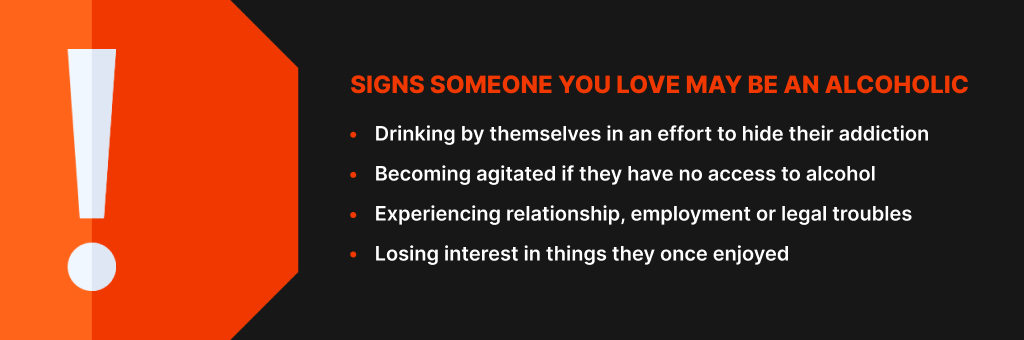
It has become clear that everything is not okay. In order for things to get better, I need to alcoholism let you go. When I first started on my sober journey, I wrote a breakup letter to alcohol. You lied once again, just like you did every single day.

Harnessing the Power of Dialectical Behavior Therapy to Overcome Substance Abuse
I know who I am, what I like, what I need and how I want to live my life. I no longer feel weighed down by you and have since found clarity and purpose. I mastered your ways, the spell you cast on others and how you grip down on people with your deceitful tricks. Because of this mastery, I’m now able to help others break loose from your chains too. Even in the silence, I’m comfortable without you. I know your voice when you come to visit these days and it’s safe to say your old pick up lines don’t impress me anymore.
Step 2: Preparation and timing
Its capacity to reveal aspects of personality that may not be readily accessible through other means makes it an indispensable tool for mental health professionals. This boundary is essential for maintaining balance in romantic relationships, workplace dynamics, and personal interactions. For example, saying, “I feel uncomfortable when…” helps preserve emotional energy while honoring physical space and emotional needs. Teaching clients this skill reduces conflict, prevents unhealthy boundaries, and builds confidence in their personal and professional lives.